The Ultimate Homemade Pot Roast: A Divine & Hearty Family Dinner Recipe

Incredible Pot Roast and Vegetables
5 Stars
4 Stars
3 Stars
2 Stars
1 Star
No reviews
- Author: Roz
Prep Time: 0 hours
Additional Time: 0 hours
Cook Time: 0 hours
Total Time: 0 hours
Ingredients
Units
Scale
- 3 – 4 pounds boneless chuck roast
- 2 Tbsp canola oil (olive oil burns too easily, so I definitely do not recommend olive oil)
- Mrs. Dash Garlic and Herb blend
- Nature’s Seasons
- 1 large onion, chopped
- 8 large cloves of garlic, peeled, smashed, and chopped (THIS IS WHAT MAKES THIS OUTSTANDING!)
- 1/2 cup red wine (I use a Meritage blend)
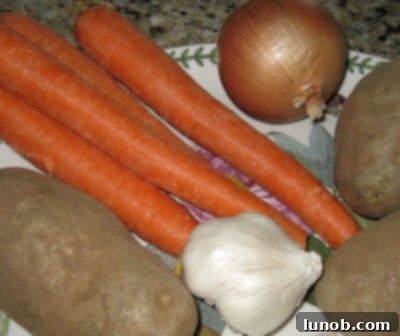
- 3 large carrots, peeled and cut up the way you prefer
- 3 large Idaho russet potatoes, peeled and cut into 2” cubes
- In a large heavy pot (needs a lid with this), heat the oil.
Instructions
- Thoroughly sprinkle and rub the seasoning blends (Mrs. Dash Garlic and Herb, Nature’s Seasons, and any other salt-free spices) all over the boneless chuck roast on both sides. Ensure it’s evenly coated for maximum flavor.
- I typically eyeball the seasoning, but applying it generously will likely mean you won’t need additional salt when serving. My family prefers to watch salt intake, which is why we rely on a variety of flavorful salt replacement herbs and spices.
- Now, in a large, heavy pot (ensure it has a lid for later use), heat the canola oil over medium to high heat until shimmering. Sear the seasoned roast on both sides, browning it thoroughly. Aim for at least 3 minutes on each side to develop a rich crust.
- It’s crucial not to move the roast around while it is searing. Allow it to sit undisturbed to form that beautiful, caramelized brown crust.
- Once one side is nicely browned, flip it over carefully and sear the other side of the roast until it achieves a similar deep, golden color. This searing step is essential for flavor.
- After searing both sides, add the red wine to the pot. The wine will help deglaze the pan, incorporating all the delicious browned bits into the liquid. Immediately cover the pan with its lid.
- Bring the contents to a gentle simmering heat (you should hear a soft bubbling sound). Once simmering, adjust the heat to the lowest possible setting. The goal is to maintain a very low simmer while the pot remains covered. Alternatively, you can bake this in a 225-degree F (107-degree C) oven in an oven-safe pot with a lid.
- Allow the roast to cook for 3 1/2 hours. This slow cooking process is key to achieving incredibly tender, fall-apart meat.
- During this time, your house will begin to smell absolutely DIVINE! The aroma of the slow-cooking roast will fill your home with warmth and anticipation.
- While the roast is simmering, prepare the remaining ingredients: chop the large onion, peel, smash, and chop the garlic cloves (remember, lots of garlic makes this outstanding!), and measure out your other flavor enhancers.
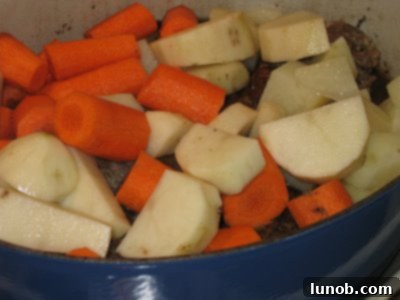
- Cut up the carrots and potatoes. Important tip: do not cut the potatoes until just before you are ready to add them to the pot, as they will oxidize and discolor if cut too far in advance.
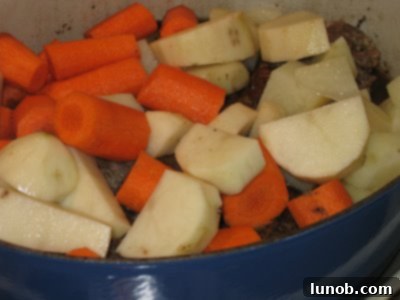
- After the initial 3 1/2 hours of the roast simmering, carefully add the chopped carrots and potatoes to the pot. Re-cover the pot and continue to cook on low heat for another 45 minutes, or until the potatoes are easily pierced with a fork and the carrots are tender.
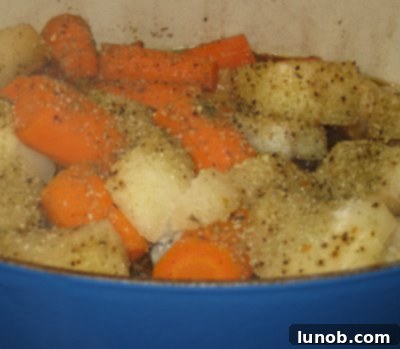
- At this point, I also like to sprinkle on a bit more of the salt-free spices (like Mrs. Dash Garlic and Herb or Nature’s Seasons) to ensure the vegetables are seasoned to perfection and their flavors are beautifully enhanced within the rich broth.
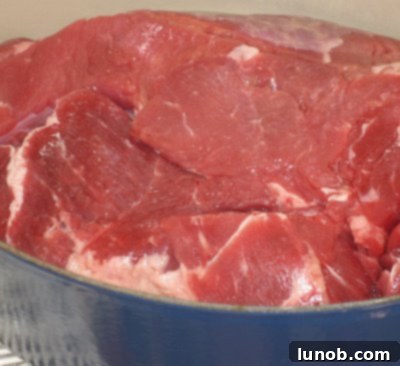
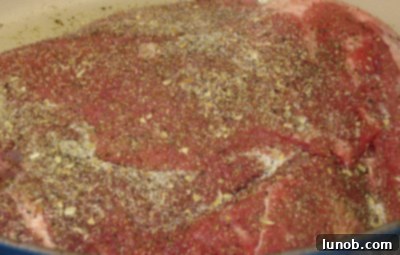
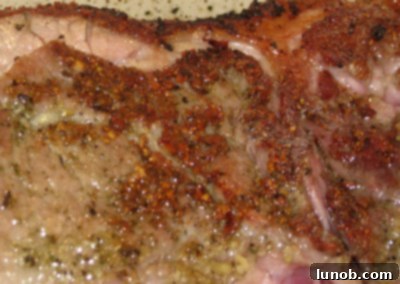
That caramel brown color is gorgeous, isn’t it? And that is what you want all over the roast, building deep layers of flavor.
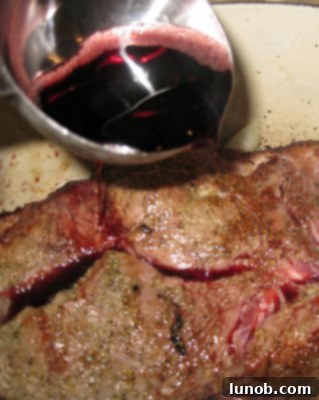
And as I ALWAYS RECOMMEND – – – Pour yourself a nice glass of vino to enjoy while cooking!

The Art of a Perfect Sear
Before the slow magic begins, mastering the art of searing is crucial. This initial step is more than just browning; it creates a flavorful crust on the meat, locking in juices and developing complex savory notes through the Maillard reaction. We use canola oil for searing, specifically recommending it over olive oil, which tends to burn more easily at the higher temperatures required for a proper sear. A good sear means getting your heavy pot nice and hot, placing the seasoned roast down, and resisting the urge to move it. Let it develop that gorgeous, caramelized brown color for at least three minutes per side. This golden crust is not just visually appealing; it’s the foundation of the rich flavors that will permeate your entire dish. Trust me, patience here pays off immensely.
Cooking Low and Slow to Perfection
Once your roast is beautifully seared, the real transformation begins. The addition of a half-cup of good red wine (a Meritage blend works wonderfully, adding another layer of complexity) deglazes the pan, capturing all those delicious browned bits, and then the pot is covered for a long, slow simmer. Whether you opt for the stovetop on the lowest possible heat, or transfer it to a 225-degree F (107-degree C) oven in an oven-safe pot, the principle remains the same: gentle, prolonged cooking. This extended simmering period, typically around 3.5 hours, is essential for breaking down tough connective tissues in the chuck roast, resulting in incredibly tender, fall-apart meat. As it cooks, your entire home will be enveloped in the most divine, comforting aroma, a delicious preview of the meal to come.
Wholesome Vegetables for a Complete Meal
The beauty of this pot roast isn’t just in the meat; it’s also in the abundance of perfectly cooked vegetables. After the initial 3.5 hours of simmering, it’s time to introduce the supporting cast: large carrots and Idaho russet potatoes. A pro tip: don’t cut your potatoes until just before you’re ready to add them to the pot to prevent discoloration. These vegetables are added to the pot and continue to cook on low for another 45 minutes, or until the potatoes are tender enough to be easily pierced with a fork. At this stage, I often sprinkle on a little more of those salt-free spices. This final seasoning boost ensures the vegetables absorb all the wonderful flavors of the broth and roast, enhancing their natural sweetness and creating a harmonious blend with the tender meat.
Serving Your Culinary Masterpiece
The moment has arrived! The luscious, delectable pot roast is ready to be served. This hearty meal is a complete experience on its own, with tender beef, flavorful carrots, and creamy potatoes. However, if you wish to complement it further, a simple green salad with a light vinaigrette can add a refreshing contrast. A crusty loaf of bread is also excellent for soaking up every last drop of the rich, savory gravy that forms in the pot. This dish is perfect for a cozy family dinner, a special occasion, or simply as a comforting antidote to a cold day. Don’t forget to pour yourself a nice glass of the same red wine you used in the recipe to enjoy alongside your magnificent creation – it truly enhances the entire dining experience.
A Note on Quality Ingredients
Choosing quality ingredients makes a noticeable difference in the final outcome of your pot roast. A good boneless chuck roast with proper marbling will yield the most tender and flavorful results. While our recipe specifies “Better Than Bouillon” for its superior flavor, you can always experiment with other high-quality beef bases or broths. Similarly, using fresh, fragrant rosemary and a robust Italian tomato Passata ensures a richer, more authentic taste. Paying attention to these details, from the cut of meat to the choice of seasonings, will consistently produce a pot roast that is not just good, but truly incredible.
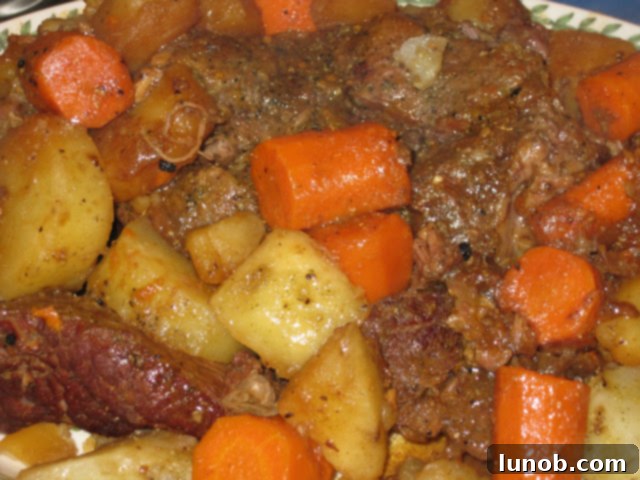
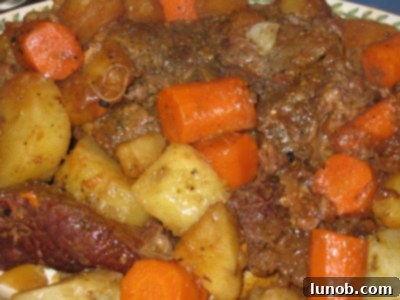
Here is the luscious, delectable final result. . . enjoy!
Conclusion
This incredible pot roast recipe is more than just a meal; it’s an experience. From the careful selection of ingredients to the patient, slow cooking, every step contributes to a dish that is deeply satisfying and bursting with flavor. It’s a testament to the fact that some of the best comfort foods are made with simple, wholesome ingredients and a little bit of love. Enjoy every tender, succulent bite, and savor the warmth it brings to your table. Happy cooking!